
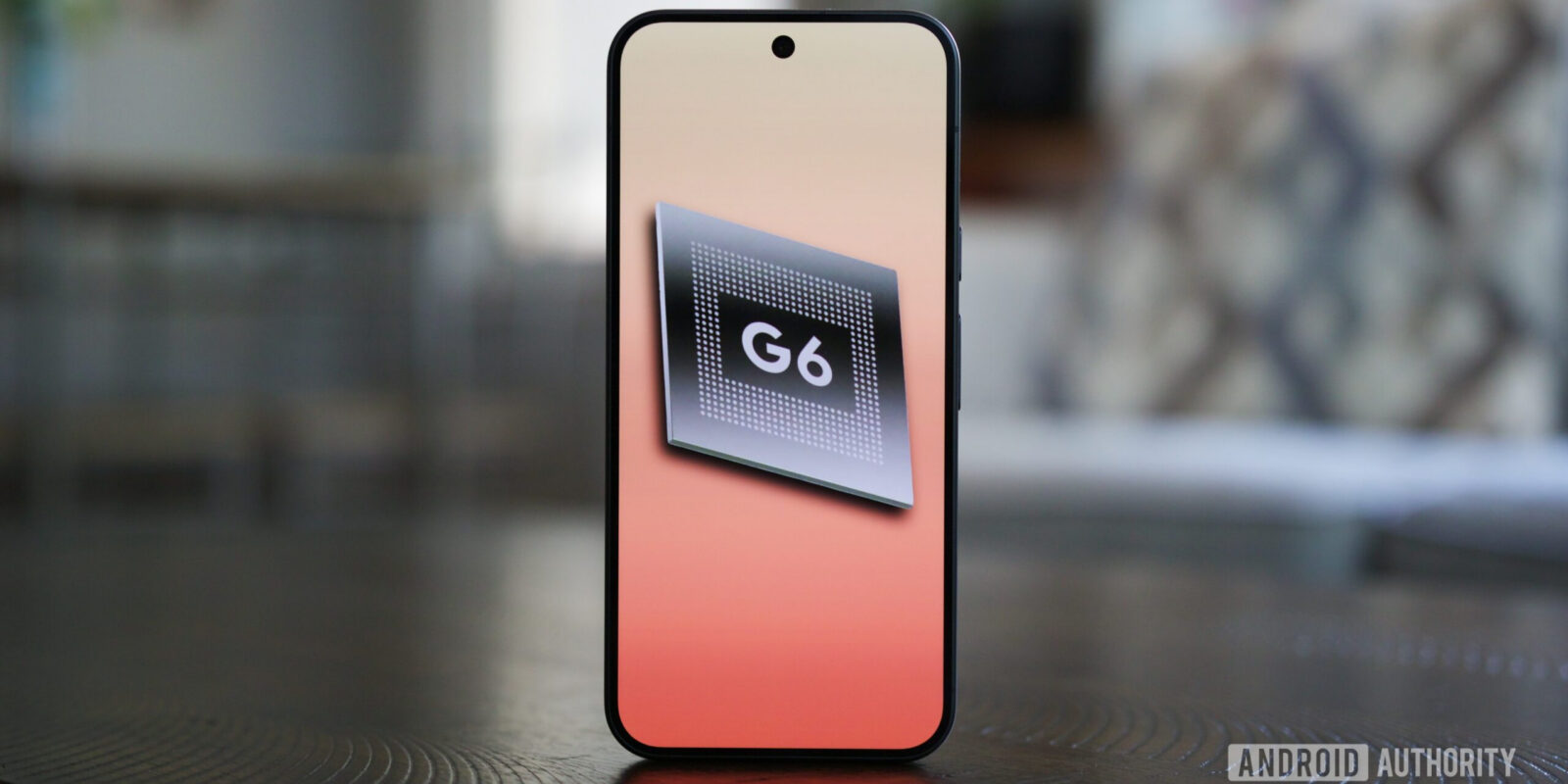
Google entered the launch of the Pixel 11 series with a promise of refined intelligence and better efficiency, but early hands-on testing of the new Tensor G6 chip tells a more complicated story. On paper, the hardware looks like a step forward, featuring a move to TSMC’s three nanometer process and updated Arm architecture designed to handle heavy AI workloads. However, these theoretical gains are undercut by some puzzling design choices, including a reduction in total CPU cores and a surprising drop in RAM from sixteen gigabytes down to twelve in the Pro model.
When put through rigorous benchmarking, the results reveal a device that is perfectly capable for daily use but struggles to keep pace with its primary competitors. Single-core and multi-core performance did see respectable jumps of roughly eighteen and twenty-one percent over last year’s model, meaning users will likely find the interface snappy and responsive. Yet, when placed side-by-side with flagship chips from Qualcomm or Apple, the gap remains cavernous. In many instances, rivals maintain a massive lead in raw processing power, leaving the Pixel 11 trailing significantly behind the industry leaders.
The situation becomes even more bleak for those who intend to use their phone for high-end gaming. While initial bursts of graphical performance show modest improvement, they aren’t sustainable. Stress tests indicate that once the device heats up during extended play sessions, performance can actually dip below that of previous generations. By opting for another mid-range graphics solution rather than a top-tier GPU, Google seems content to leave the hardcore gaming market to others.
Ultimately, the Tensor G6 represents incremental growth in an era where consumers expect leaps. It provides plenty of horsepower for standard applications and integrates impressive machine learning capabilities through its fifth generation TPU, but it fails to close the distance with other premium handsets. For most people, this won’t be a dealbreaker, but for enthusiasts chasing peak performance and sustained stability under load, these results are nothing short of brutal.