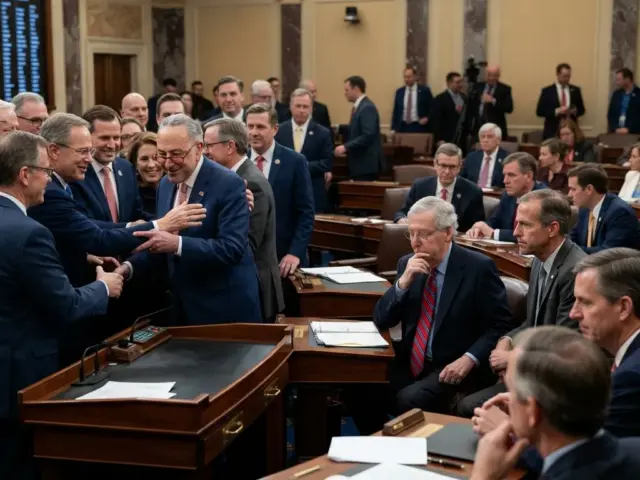
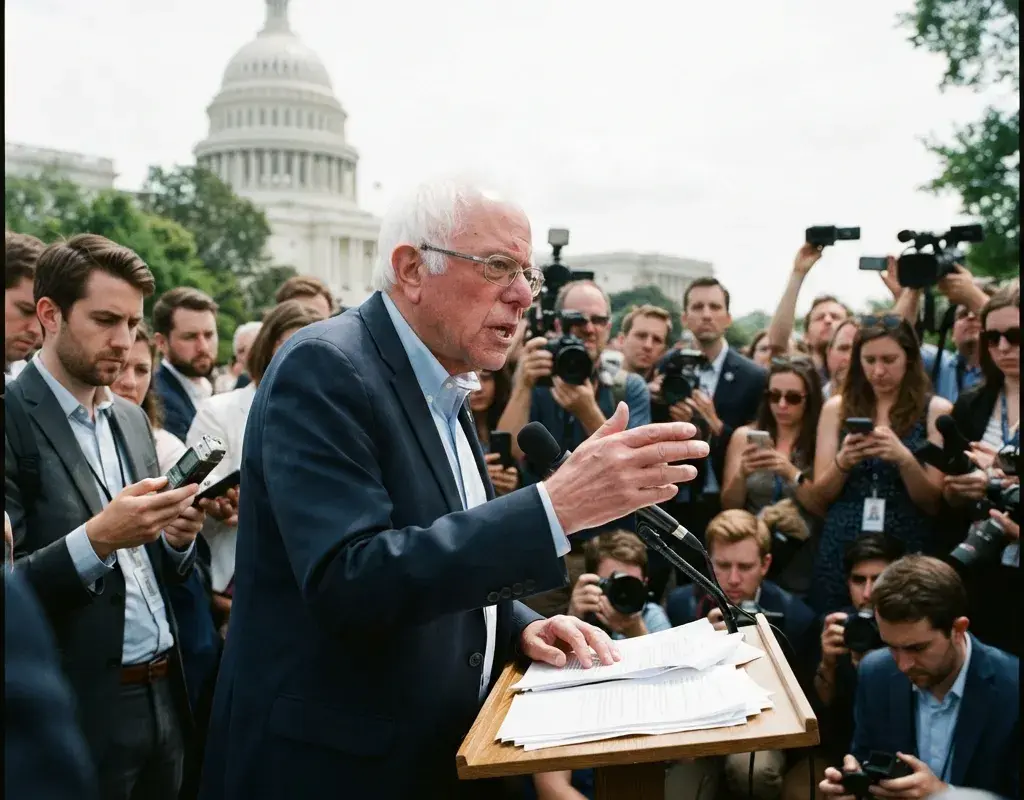
Senator Bernie Sanders is preparing to leverage his upcoming role as chairman of the Senate Health, Education, Labor and Pensions Committee to launch a comprehensive overhaul of the American healthcare system. According to plans shared with the Associated Press, the Vermont independent intends to implement a phased transition toward Medicare for All over a four year period once Democrats secure control of the Senate in January. Rather than attempting an immediate systemic flip, Sanders proposes starting by lowering the Medicare eligibility age to 55 in the first year while expanding coverage to include dental, vision, and hearing care.
The roadmap envisions a gradual expansion of eligibility every subsequent year until every American is covered by the fourth year. Sanders believes this measured approach acknowledges the scale of a system that accounts for nearly twenty percent of the national GDP. To fund these expansive changes, he suggests shifting financial burdens away from private insurance premiums and toward payroll contributions and increased taxes on wealthy individuals, Wall Street, and large corporations. He specifically noted that initial stages of the plan could potentially bypass a filibuster through budget reconciliation.
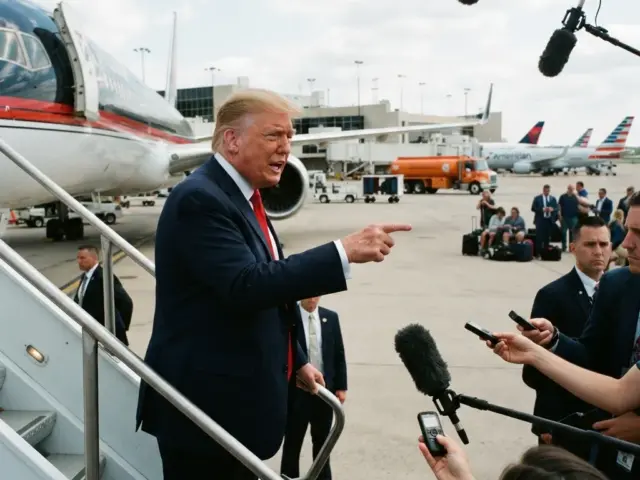
While some Democratic leaders like Hakeem Jeffries have signaled support for elements of this plan such as restoring ACA subsidies and improving pediatric coverage, significant hurdles remain. Critics point to a staggering national deficit and projections from the Congressional Budget Office suggesting that even modest reductions in Medicare age limits could add billions to federal debt. Furthermore, any legislation passed by a Democratic Congress would require the signature of President Donald Trump, though Sanders remains optimistic that political pragmatism might prevail regardless of ideology.
Beyond healthcare, Sanders views this new chapter as an opportunity to champion a wider populist economic agenda designed to support the working class. Alongside his medical reforms, he aims to utilize his committee influence to push for an increase in the federal minimum wage to twenty dollars an hour and promote laws that make it easier for employees to unionize. For Sanders, these moves represent more than just policy goals; they are a direct response to what he describes as a public outcry for fundamental structural change within the government.