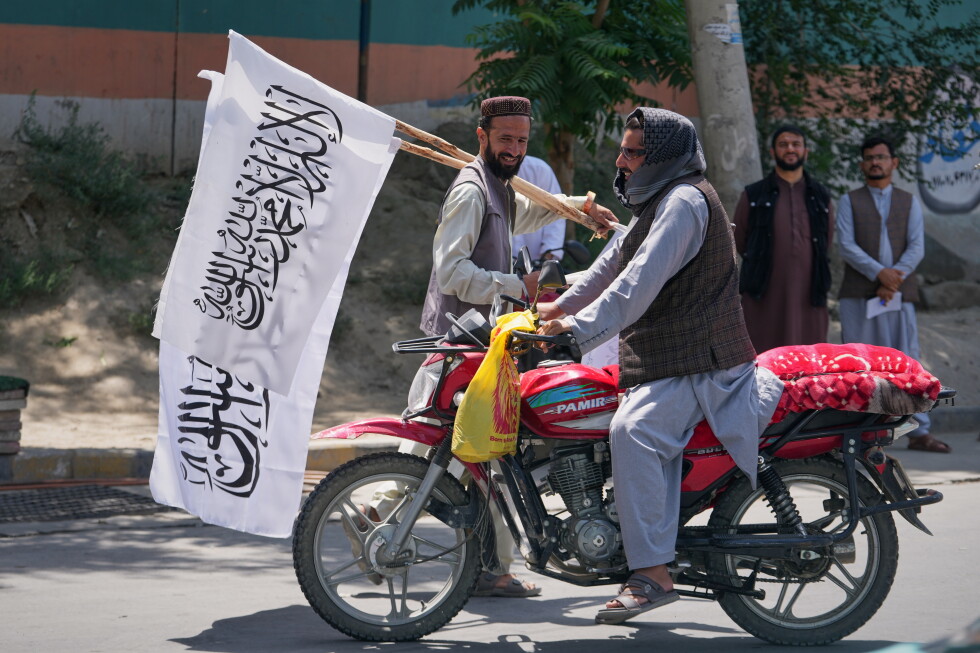
Five years after the Taliban swept back into power following the chaotic withdrawal of U.S. and NATO forces, the atmosphere in Kabul is one of uneasy contradiction. For some residents, there is a palpable sense of relief that the decades of relentless warfare and instability have finally ceased. People like Mohammad Qasim, a thirty year old local, note that the streets feel safer than they have in generations, providing a baseline of security that allows daily life to function without the constant threat of conflict. However, this newfound peace has come at a steep price, leaving many young Afghans trapped in a stagnant economy with few prospects for employment.
While the government highlights achievements in stabilizing the currency and improving infrastructure, the humanitarian reality tells a different story. A profound crisis looms over the next generation as girls older than twelve remain banned from classrooms and women are shut out of universities. Despite early promises to allow female participation in public life according to Islamic principles, those pledges have vanished, replaced by strict mandates requiring male guardians for travel and banning women from parks and gyms. This systematic erasure of women’s rights has drawn sharp condemnation from the United Nations, which describes Afghanistan as facing the most severe gender apartheid crisis in the modern world.
International observers warn that any perceived stability is fragile and superficial if half the population remains sidelined. While the United Nations acknowledges that reduced fighting has benefited some citizens, it maintains that true national recovery is impossible while millions of girls are denied an education. Local advocates such as Fazila Soroush are calling for immediate, practical decisions to reopen schools, arguing that the state must prove its value through inclusive governance rather than just security enforcement.
As banners praising Sharia law go up across Kabul to celebrate the fifth anniversary of the takeover, the divide between official rhetoric and lived experience grows wider. Taliban officials insist they have met all requirements for international recognition and deny reports of lingering terrorist networks within their borders. Yet, with only nominal recognition from Russia and a growing void in its healthcare and education sectors, Afghanistan remains globally isolated. The city may be quieter than it was five years ago, but for millions of women and unemployed youth, that silence feels less like peace and more like stagnation.