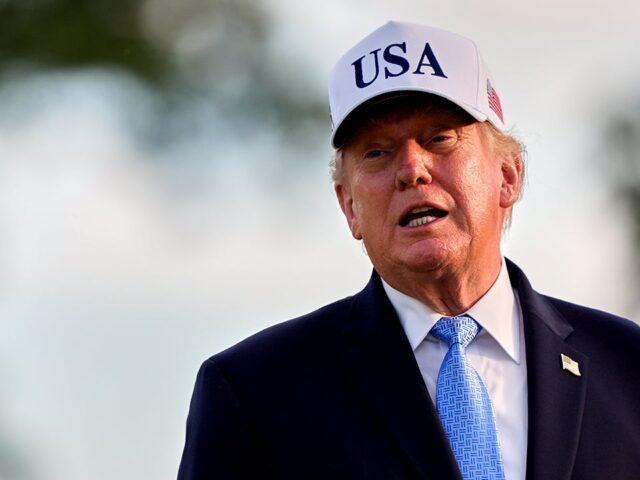
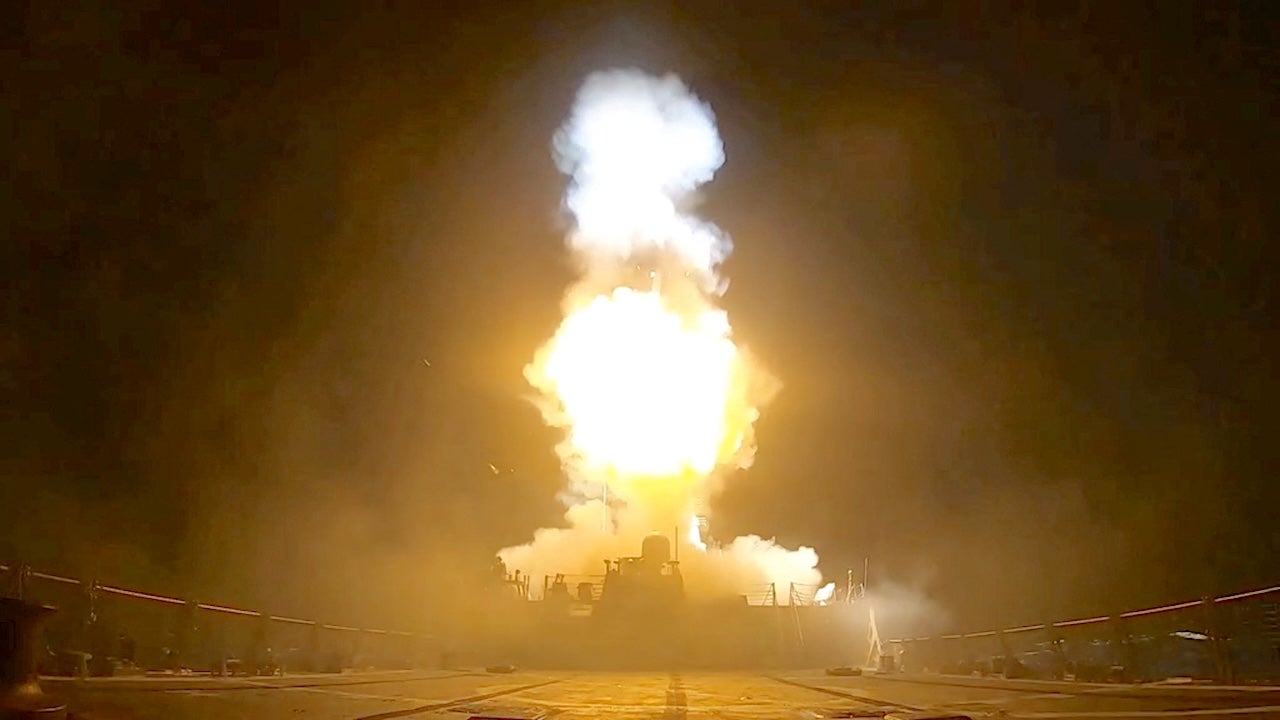
Tensions in the Persian Gulf have surged to a breaking point following a direct military confrontation between the United States and Iran. President Donald Trump authorized strikes that sank three Iranian oil tankers in the Strait of Hormuz, a move described as a necessary retaliation after the Islamic Revolutionary Guard Corps allegedly targeted American ships and troops with ballistic missiles. The incident has pushed both nations closer to an all out conflict over one of the world’s most critical maritime chokepoints.
Tehran has reacted with fury, vowing a more painful response to the loss of the vessels. This escalating cycle of violence comes as U.S. Central Command increases its visibility in the region, recently showcasing advanced naval aircraft operating from the USS George Washington in the Arabian Sea. Meanwhile, international shipping agencies are on high alert, with the United Kingdom Maritime Trade Operations maintaining a severe threat level for the Strait of Hormuz due to ongoing harassment and drone activity by Iranian forces.
The volatility extends beyond the gulf as regional allies weigh in on Iran’s stability. In a recent address during Rosh Hashanah festivities, Israeli Prime Minister Benjamin Netanyahu claimed that the Iranian regime is faltering and fighting for its life, suggesting that its end may be near. While he noted that Iran has currently refrained from directly attacking Israel, he warned that any such mistake would result in a blow beyond imagining.
As military assets shift across the Middle East, political figures in Washington are doubling down on economic warfare. Senator John Kennedy recently highlighted the effectiveness of current blockades and sanctions, suggesting that the extreme pressure on Tehran’s economy is leaving the government with few options. With global energy markets watching closely and navies positioned for further engagement, the struggle for control over these vital transit lanes appears far from resolved.