The jury tasked with deciding the fate of Lindsay Clancy remained deadlocked on Tuesday morning, prompting Judge William Sullivan to send them back for further deliberations. Entering their fourth day of discussions, the twelve jurors informed the court they had been unable to reach a unanimous decision regarding the deaths of Clancy’s three young children. Acknowledging the grueling nature of the proceedings, which featured more than eighty witnesses and hundreds of pieces of evidence, Sullivan urged the panel to continue their work while adhering strictly to his previous instructions.
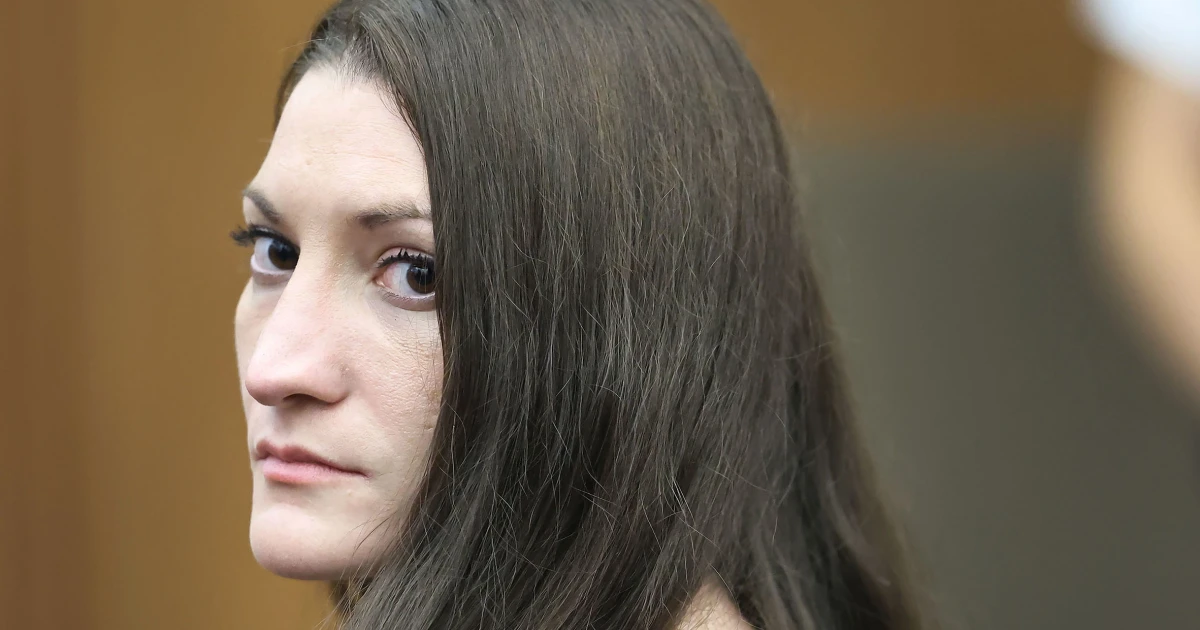
Throughout the announcement, Clancy appeared stoic in a beige sweater, seated near her parents and sister. Her attorney, Kevin Reddington, expressed confidence in the attentive jury but remained pragmatic about the potential for a stalemate. When questioned by reporters about how he would handle a hung jury, Reddington stated emphatically that he would be prepared to take the case to trial once again. Legal experts noted that such deadlocks are frequent in high-stakes cases where emotional weight clashes with complex psychiatric testimony.
The central conflict for the jury lies in determining whether Clancy acted with premeditation or was suffering from severe postpartum psychosis at the time of the killings in January 2023. While prosecutors argue that she carefully planned the murders of her children—Cora, Dawson, and baby Callan—the defense maintains she was hearing voices and lacked criminal responsibility due to her mental state. This divide has turned the courtroom into a focal point for wider debates on maternal healthcare and mental illness, drawing crowds of supporters who have gathered outside the Plymouth courthouse throughout the five week trial.
Under Massachusetts law, Judge Sullivan can encourage a deadlocked jury to keep deliberating up to two times before requiring their consent for further attempts. If an agreement remains elusive, he may issue a specific instruction intended to push jurors toward a consensus without forcing them to abandon their core beliefs. Should these efforts fail and a mistrial be declared, both sides face the prospect of restarting this emotionally charged process from scratch.