
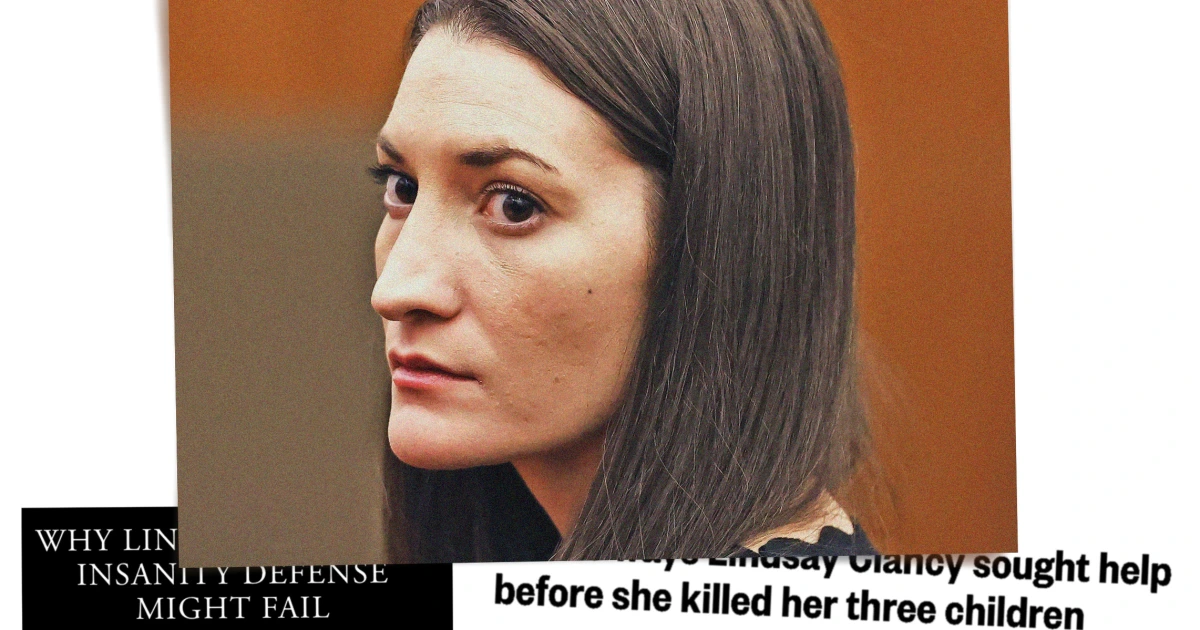
The courtroom is hushed as the legal proceedings against Lindsay Clancy reach a critical juncture. While the facts regarding the tragic 2023 deaths of her three young children have been established, the focus of the trial has shifted from what happened to why it happened. This case has captivated a national audience, transforming a private family tragedy into a public debate over the intersection of criminal law and severe mental health crises.
At the heart of the matter is whether Clancy can be held legally accountable for her actions. Her defense team is presenting an argument rooted in medical necessity, claiming that she was suffering from postpartum psychosis at the time of the killings. They contend that her grip on reality had completely severed due to this psychiatric emergency, rendering her unable to understand the nature of her crimes or conform her behavior to the law.
As the jury prepares to deliberate, they face a daunting task that goes beyond simple evidence gathering. They must decide if a diagnosis of profound mental illness absolves a parent of criminal responsibility in the wake of such unthinkable violence. The verdict will likely serve as a significant touchstone for how courts handle cases involving maternal mental health and the thin line between madness and culpability.