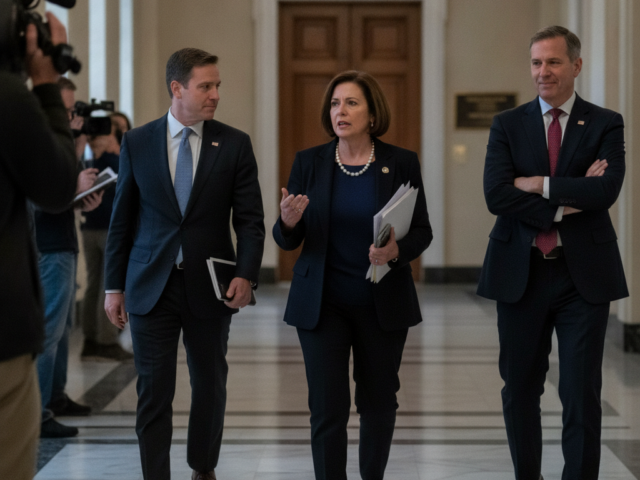
The push to stop members of Congress and their families from trading individual stocks has hit a wall in Washington following the Senate’s recent rejection of a key piece of legislation. Despite widespread public appetite for reform, the bill that previously cleared the House died last week when Senate Democrats voted it down. While there appears to be some bipartisan agreement that something needs to change, the two parties remain locked in a bitter dispute over whether current holdings should be liquidated or simply frozen.
According to Chris Josephs, the co-founder of Autopilot and creator of a popular tracker monitoring Representative Nancy Pelosi’s financial moves, the deadlock centers on divestment. Democrats generally favor a total exit from individual stocks to avoid conflicts of interest, whereas Republicans argue that lawmakers should be permitted to retain assets they acquired before taking office. Adding further complication to the stalemate was a controversial voter ID provision tucked into the bill, which many believe ensured its failure ahead of the upcoming midterms.
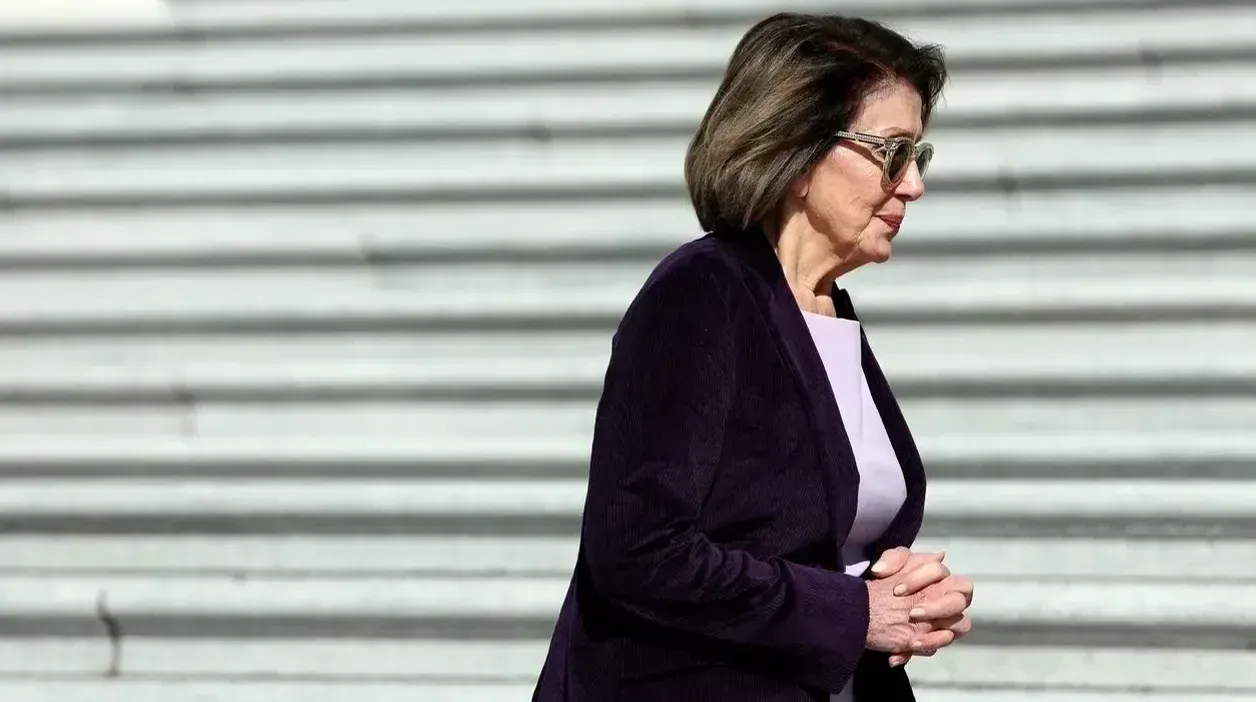
The debate often circles back to high profile figures like Nancy Pelosi, who has become a symbol for those demanding stricter ethics laws due to her substantial and well timed investments. Josephs notes that Pelosi’s history of trading large sums—sometimes reaching twenty five million dollars—in companies like Tesla and Nvidia just before major legislative acts provided the impetus for his tracking software. By allowing ordinary citizens to mirror these political portfolios, Josephs aimed to shine a light on what he describes as an inherently hypocritical system.
For advocates of the ban, this latest legislative failure is more than just a policy disagreement; it is a symptom of systemic distrust between the government and the governed. Josephs maintains that allowing politicians access to nonpublic information for personal gain erodes faith in democratic institutions. As long as both sides cannot agree on how to handle existing wealth, however, it seems likely that congressional portfolios will remain open for business through another election cycle.