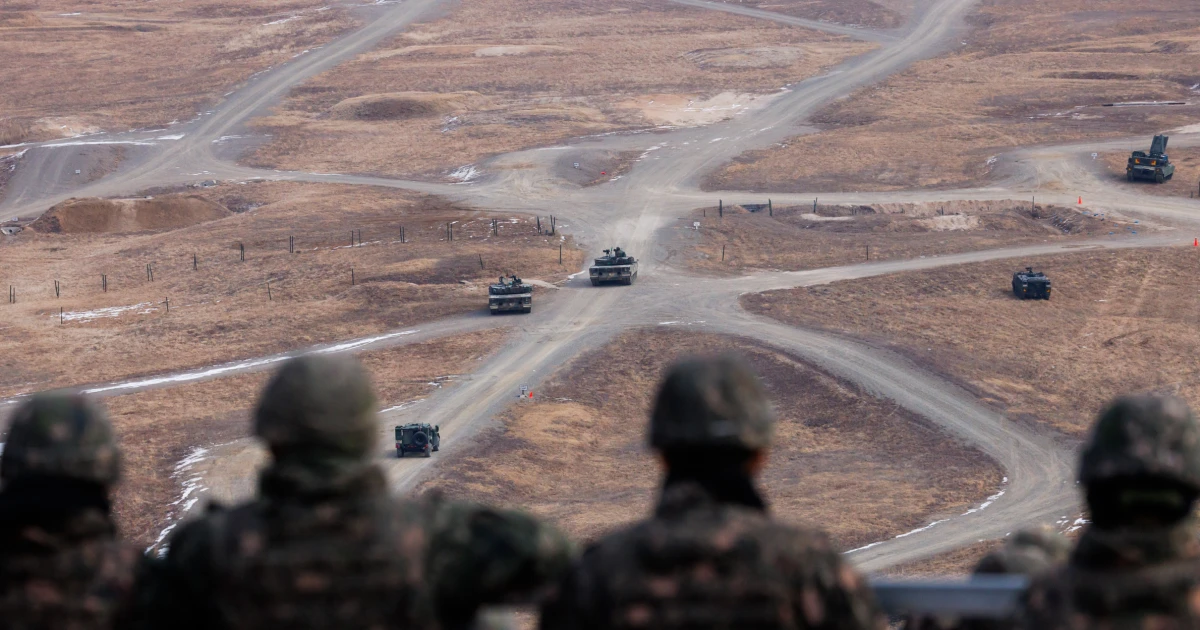
Annual joint military exercises between the United States and South Korea are ending earlier than planned following a surprise directive from President Donald Trump. The maneuvers, known as Ulchi Freedom Shield, were originally slated to run until August 27 but will now conclude on August 21. According to Defense Department officials, several live training events have been cancelled or shifted to computer simulations. While the administration insists these changes will not degrade overall training objectives or essential readiness, the move marks a sudden shift in regional security strategy.
The decision came via social media just hours before the drills began, catching both South Korean officials and members of the U.S. government off guard. South Korean Foreign Affairs Minister Cho Hyun admitted that neither his government nor U.S. officials had prior knowledge of the order. This lack of coordination has reportedly unsettled Seoul and other regional allies who rely on a consistent American security umbrella to counter the growing nuclear and missile threats emanating from Pyongyang.
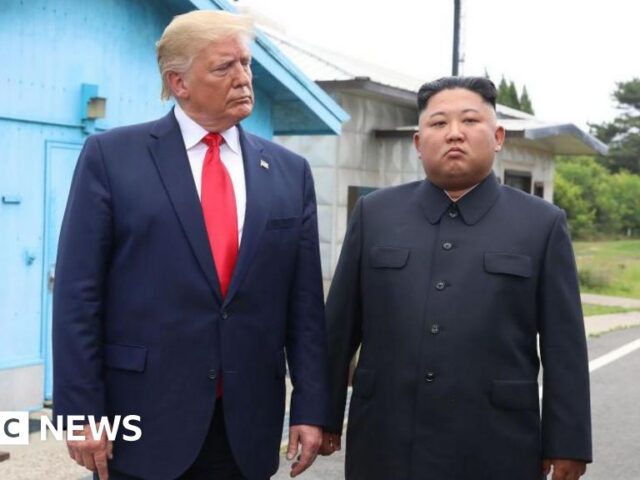
President Trump justified the reduction by pointing to his positive personal rapport with North Korean leader Kim Jong Un, describing previous interactions as unthreatening and respectful. He argued that large scale drills send an inappropriately hostile message and claimed that reducing them actually makes the region safer. Additionally, the president expressed frustration over South Korea’s current level of involvement in conflicts involving Iran and Israel, prompting him to instruct Defense Secretary Pete Hegseth to substantially scale back the operations.
Despite these gestures, there is no guarantee they will lead to renewed diplomacy. While Trump believes he and Kim share a mutual understanding, North Korea has remained steadfast in its refusal to return to negotiations unless demands for denuclearization are dropped first. Even after the announcement, North Korean state media continued to blast the exercises as provocations, insisting that Pyongyang would continue its own military preparations to neutralize perceived enemy threats regardless of the shortened schedule in Seoul.