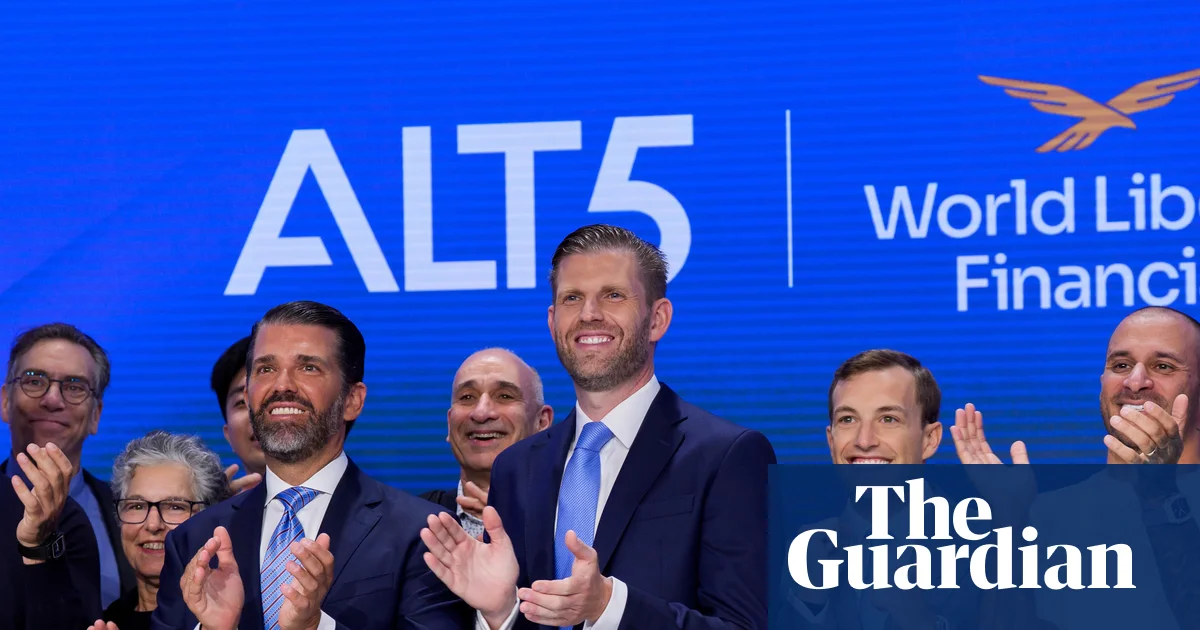
A new cryptocurrency venture partially owned by the Trump family has sparked a heated debate over ethics and political influence following its recent approval to operate as a bank. World Liberty Financial Trust Company, which is roughly thirty eight percent owned by entities linked to Donald Trump and his children, recently received conditional approval from the Office of the Comptroller of the Currency. Unlike traditional banks, this institution will not offer mortgages, credit cards, or federally insured deposits. Instead, its primary function is to issue USD1, a dollar pegging stablecoin designed to facilitate the trading of more volatile digital assets like bitcoin.
Financial experts argue that the bank’s structure provides virtually no incentive for typical investors since current laws prevent it from paying interest to its depositors. While users earn nothing on their holdings, the bank can generate significant profits by investing that same cash into low risk US government treasury bonds. This discrepancy has led analysts, including James Angel of Georgetown University, to suggest that the only logical reason for individuals or corporations to move their funds into USD1 is to curry favor with the White House. He described the arrangement as an efficient mechanism for buyers to purchase influence with the First Family.
The timing of the project has drawn sharp criticism from Democrats and regulatory watchdogs who call it a blatant example of corruption. Critics point out that Trump signed the Genius Act in 2025, creating the legal framework for these types of stablecoin banks shortly before his own venture applied for a charter. Patrick Woodall of Americans for Financial Reforms claims the regulator exceeded its authority in granting the charter, while University of Michigan professor Jeremy Kress noted that it is unprecedented for a sitting president to have a direct financial stake in a bank regulated by his own administration.
In response to these allegations, World Liberty Financial maintains that seeking a national charter proves they are embracing transparency rather than avoiding it. A company spokesperson insisted that federal oversight ensures stability regardless of who is in power. Meanwhile, officials at the OCC defended the decision by stating that career civil servants handled the review process independently of political appointees and consulted with ethics experts to ensure all guidelines were met. Despite these assurances, observers note that USD1 remains far smaller than industry giants like Tether, leaving many to wonder if political loyalty will be its primary driver of growth.