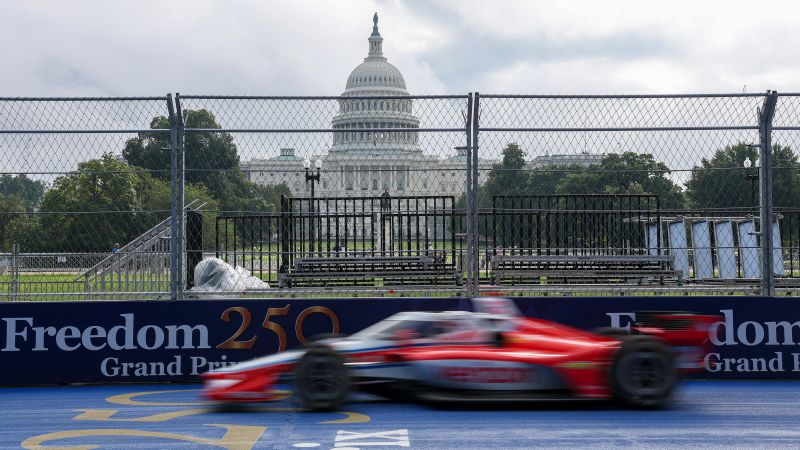
Spectators began pouring into the center of Washington, D.C., on Saturday to witness the kickoff of the Freedom 250 Grand Prix, a high octane street race designed to celebrate the nation’s 250th birthday. The cityscape has been transformed into a racing circuit, with stretches of 3rd Street painted in patriotic hues of red, white, and cobalt blue. Despite a light morning drizzle, thousands of fans arrived early to see sleek IndyCars reach speeds of up to 180 miles per hour against a backdrop of neoclassical museums and the U.S. Capitol.
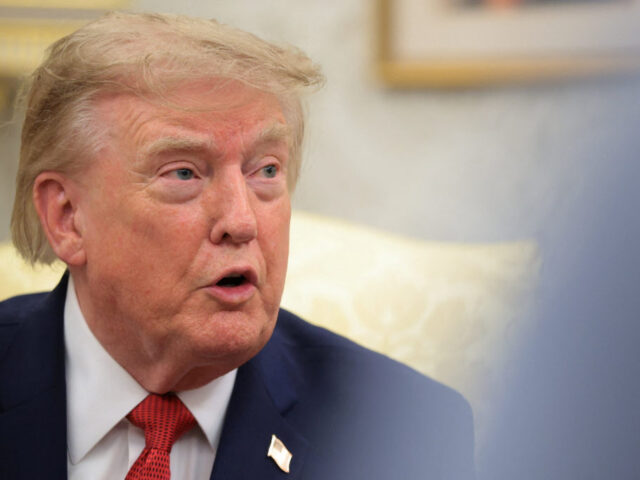
The event is heavily backed by President Donald Trump, who used a January executive order to bypass typical local bureaucracy and fast track the project after it was pitched by Penske Corporation President Bud Denker. The stakes for Sunday’s main event are high, both logistically and symbolically. The president is expected to arrive in style, taking a ceremonial lap around the track in the presidential limousine, known as The Beast, before dropping the green flag from his seat to signal the start of 147 laps totaling exactly 250 miles.
Navigating the heart of the capital presents unique challenges for both drivers and residents. The 1.66 mile course winds past some of the most iconic landmarks in America, including the Washington Monument and Pennsylvania Avenue, which serves as a critical pit lane for fuel and tire changes. To ensure safety at such extreme speeds, crews had to smooth dozens of manhole covers with silicone to prevent them from being sucked loose by the vacuum created by passing cars. Meanwhile, security remains tight with a massive presence from the FBI, National Guard, and Park Police monitoring crowds moving through airport style magnetometers.
For locals and tourists alike, the race brings significant disruption alongside its spectacle. Flight operations at Ronald Reagan National Airport will face temporary pauses on Sunday afternoon, while various Smithsonian museums now require race tickets for entry due to their proximity to the track. Some institutions have even conducted vibration studies to ensure that priceless artworks and founding documents remain undisturbed by the roar of engines. While these logistics are complex, many attendees say the trade off is worth it for the chance to see world class racing weaving through American history.