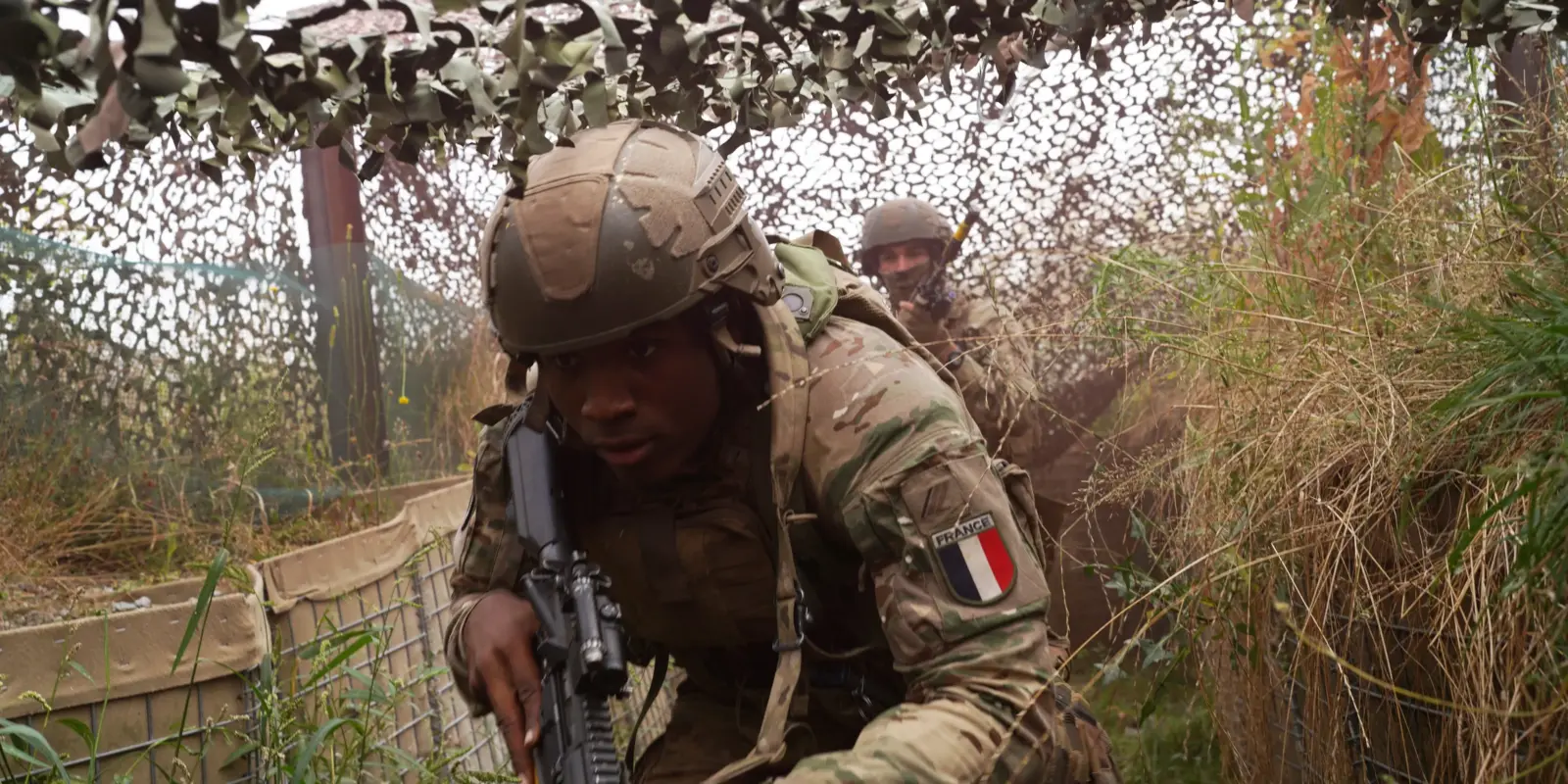
The United States is urging its NATO allies to dramatically accelerate their military readiness following intelligence leaks suggesting Russia could launch a limited assault on a member nation within the next few years. While there is no evidence of an immediate strike, American officials warn that the window for preparation is much shorter than previously believed. This shift in urgency contradicts earlier assumptions that Vladimir Putin would avoid provoking the alliance while still bogged down in Ukraine, leaving many European partners startled by the possibility of a conflict arriving far sooner than their long term spending plans accounted for.
Speaking from NATO headquarters in Brussels, U.S. Ambassador Matt Whitaker emphasized that predictability is impossible when dealing with adversaries like Putin. He argued that the only viable strategy is to maintain a level of deterrence that makes an attack too costly to consider. Whitaker called for allies to treat current exercises as if they truly matter and to invest heavily in capabilities now, noting that the world must remain clear eyed after witnessing Russia’s invasion of Ukraine.
A primary concern fueling these warnings is a growing industrial asymmetry between the West and Russia. Experts point out that while NATO nations have largely operated under a peacetime economy, Putin has shifted Russia onto a total war footing, dedicating nearly forty percent of federal spending to defense and security. This allows Moscow to mass produce munitions at a rate that currently dwarfs the production capacities of Western air defenses, creating a dangerous gap in available hardware during a potential crisis.
Tensions have been further heightened by a recent unannounced trip to Moscow by CIA Director John Ratcliffe, who reportedly warned Russia against targeting NATO territory while advising Moscow to sever ties with Iran. Although Kremlin spokesperson Dmitry Peskov dismissed claims of planned attacks as baseless and President Donald Trump expressed confidence that no such assault would occur, some European leaders remain skeptical. Pointing to similar assurances given before the invasion of Ukraine, Polish Foreign Minister Radoslaw Sikorski insisted that defense preparations must be accelerated regardless of diplomatic denials.
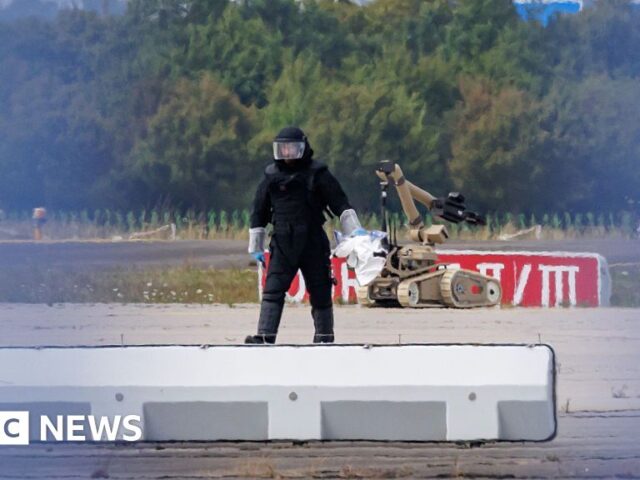
Beyond traditional warfare, several European officials argue that Russia is already testing NATO through hybrid operations. Recent incidents involving explosive drones discovered at a German airport and naval drones spotted near Romanian energy facilities are being viewed as deliberate provocations designed to probe the alliance’s resolve. These grey zone tactics suggest that while a full scale invasion may not be imminent, the friction between Russia and its neighbors continues to intensify across multiple fronts.