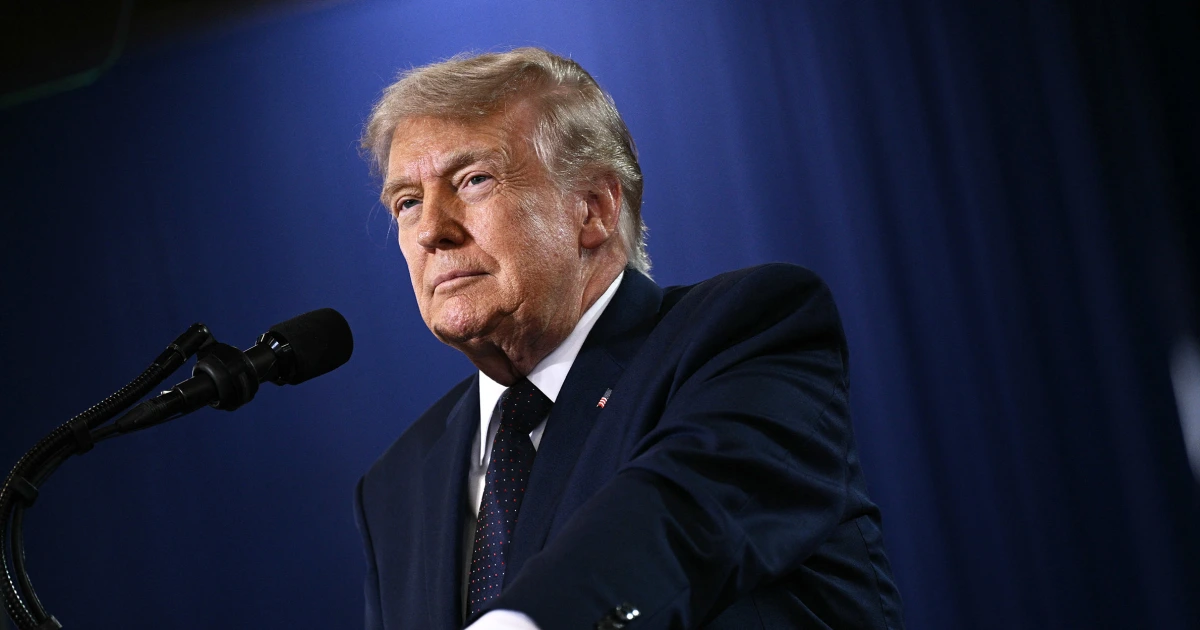
President Donald Trump has dismissed the need for formal guardrails on artificial intelligence, suggesting instead that the best safeguard for the country is a strong and high IQ leader. Writing on Truth Social, the president pushed back against warnings from industry insiders about the potential catastrophic risks of the technology, framing those fears as part of a conspiracy that only benefits China. He argued that whoever dominates AI will ultimately win on the global stage and described the notion of AI destroying humanity as a hoax, claiming it will become an economic engine far greater than oil or the internet.
This stance puts the president at odds with several prominent figures in the tech world. Dario Amodei, CEO of Anthropic, recently urged companies to slow their pace of development to better manage existential threats. Other researchers have gone further, with some resigning and warning that current trajectories could lead to human extinction by the end of the decade. While OpenAI CEO Sam Altman has expressed openness to certain safeguards, Trump specifically targeted Amodei in his posts, hinting that his administration possesses significant criminal and regulatory power to stop AI developers from doing bad things.
Public sentiment appears largely aligned with the skeptics rather than the White House. Recent polling indicates that roughly 70 percent of Americans are more worried than excited about AI, with a majority opposing the construction of data centers in their own neighborhoods. This anxiety extends into Trump’s own political base, where more than half of Republican voters share these concerns. Despite this, Trump has warned that communities rejecting data centers risk becoming backwards and poor as they miss out on a critical technological shift.
Within Washington, there is growing pressure for a structured approach to oversight. Senate Minority Leader Chuck Schumer has called for briefings with administration officials, while House Speaker Mike Johnson suggested that Trump should summon AI leaders for discussions regarding corporate responsibility and safety. Vice President JD Vance echoed some of these cautions but expressed skepticism toward tech executives asking for regulation themselves, describing such requests as a potential Trojan horse designed to limit competition under the guise of safety.