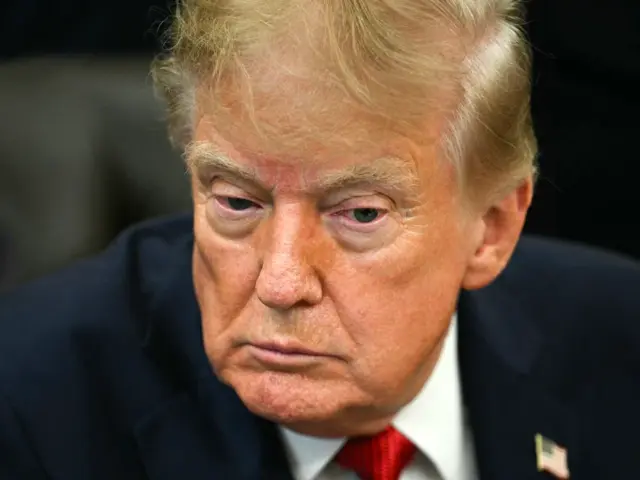
The tension between the executive branch and the press reached a boiling point recently after President Donald Trump announced a ban on several major news organizations. The move targeted outlets including CNN, MSNBC, and Politico, effectively stripping their journalists of the credentials needed to report from within the halls of power. This sudden restriction sparked immediate backlash from advocates of press freedom who argued that such bans undermine democratic transparency.
However, the lockout did not last long thanks to swift legal intervention. A federal judge stepped in to resolve the dispute, issuing an order that required the Trump administration to temporarily reinstate the revoked press badges. This judicial mandate forced the White House to reverse its decision and allow reporters back onto the grounds to resume their duties.
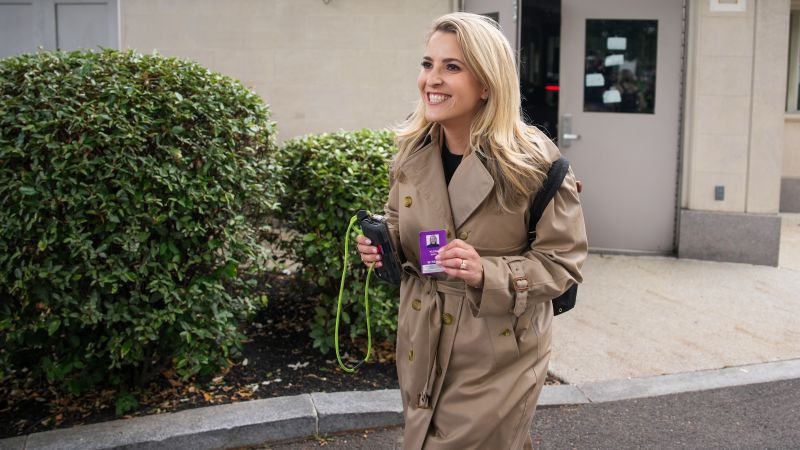
By Thursday at noon, members of the banned networks were officially permitted back into the White House. While the restoration of access provides a temporary reprieve for these journalists, it highlights an ongoing struggle over how media access is managed during periods of intense political friction. For now, those stripped of their badges can once again walk through the doors they were previously barred from entering.