
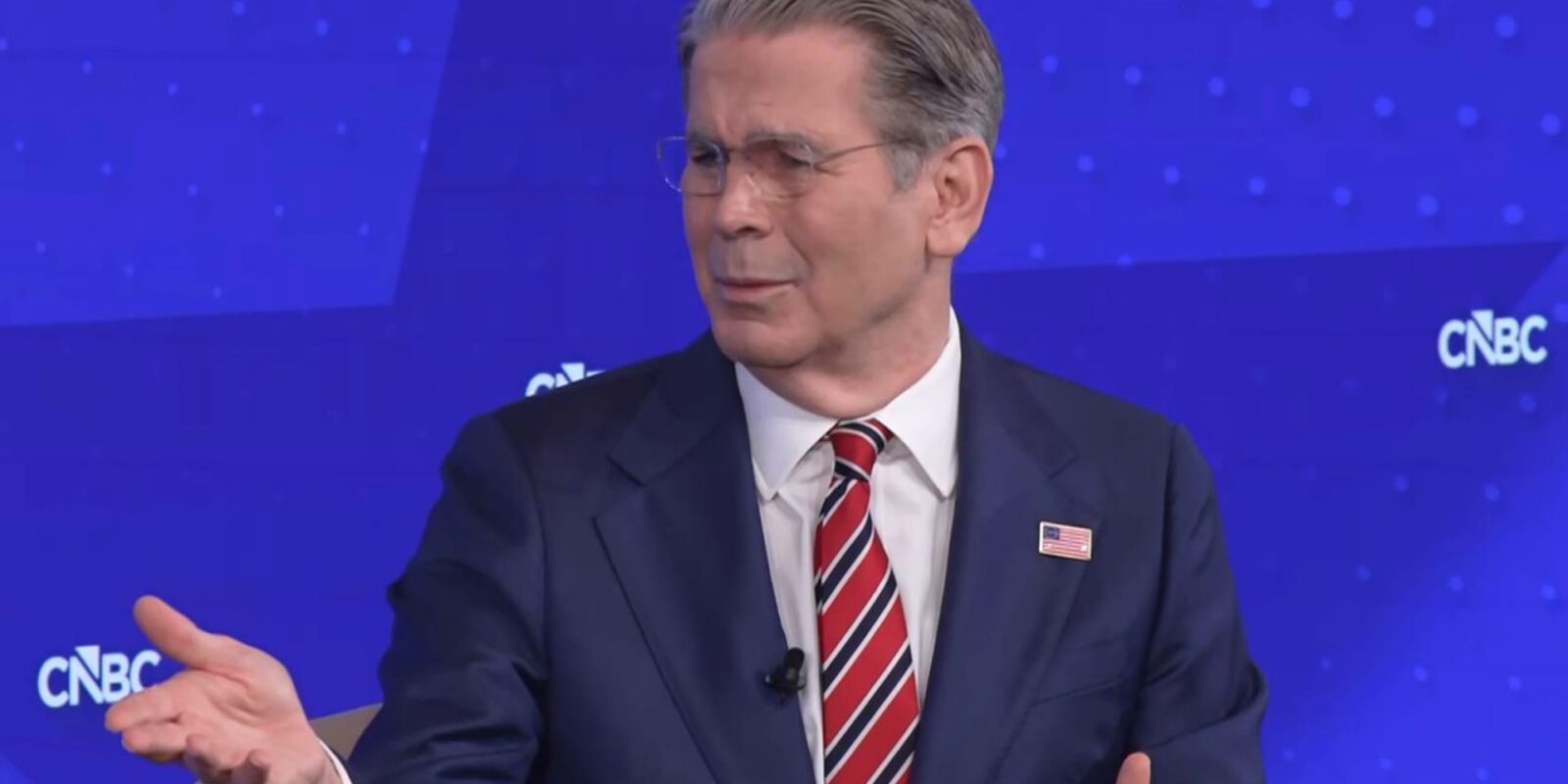
Treasury Secretary Scott Bessent attempted to soothe a jittery government debt market this week, but his strategy appears to have backfired, triggering fresh anxiety over inflation. In a bid to improve liquidity, the Treasury announced it would at least double the size of its typical two billion dollar debt buyback program. While Bessent maintained that the move was not intended to suppress yields, investors reacted with skepticism. Rather than bringing lasting stability, the maneuver saw inflation protected securities surge, pushing breakeven rates to their highest levels in over two months.
The market volatility suggests that traders view the increased buybacks as inherently inflationary. Because the Treasury must issue shorter term bills to offset the purchase of longer dated debt, critics argue the move signals a shift toward looser monetary conditions. This suspicion manifested quickly in the data; ten year breakevens climbed to 2.34 percent on Thursday, marking a peak not seen since June. The initial drop in long term yields following the announcement proved fleeting, as benchmarks rebounded sharply by Friday, leaving the ten year note at 4.73 percent and reflecting a growing demand for higher risk premiums.
Industry analysts suggest this turbulence is part of a larger cocktail of concerns currently weighing on U.S. debt. Beyond domestic policy shifts, Treasurys are facing stiff competition from high yielding sovereign debt in Europe and Asia, alongside a massive wave of corporate issuance driven by artificial intelligence investments. With total U.S. debt surpassing forty trillion dollars this week, some strategists believe these fluctuations are simply the market adjusting to a new reality where interest rates return to historical norms rather than remaining artificially suppressed by central bank intervention.
All eyes now turn toward Federal Reserve Chairman Kevin Warsh and his upcoming keynote address at the Jackson Hole symposium on August 28th. Market observers warn that any perceived dovishness from Warsh regarding inflation could exacerbate the current instability and undermine Bessent’s goals entirely. However, some voices remain optimistic, suggesting that a treasury secretary willing to take tactical risks represents a positive evolution in how the government manages its balance sheet during an era of economic transition.