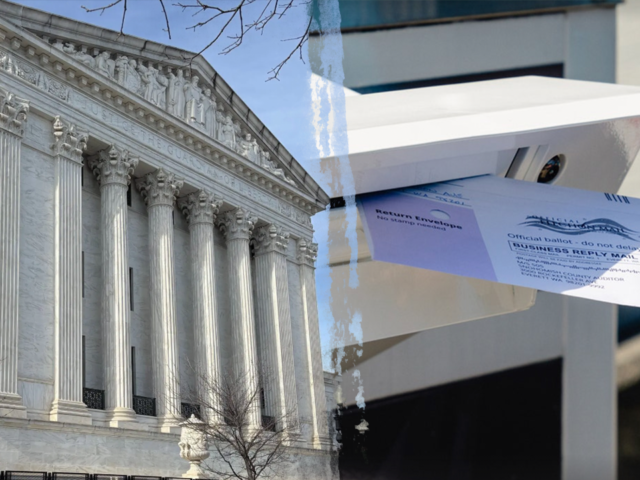

Supreme Court Justice Clarence Thomas recently pushed back against the notion that a person’s racial background serves as a reliable predictor of their political leanings. In a series of remarks reflecting his long held judicial philosophy, Thomas argued that attributing specific ideological beliefs to entire racial groups is fundamentally flawed and ignores the individuality of the American citizen.
The Justice suggested that such generalizations overlook the diverse range of opinions and values held by people across all demographics. By rejecting the idea that race determines politics, Thomas reinforced his consistent stance on colorblindness, suggesting that focusing on racial identity often obscures more important factors like personal conviction, upbringing, and individual experience.
This perspective comes at a time when national discourse remains deeply divided over the role of identity politics in governance and law. For Thomas, treating voters or citizens as monolithic blocks based on skin color is not only inaccurate but contrary to the principle of seeing each person as an independent agent capable of forming their own conclusions about how the country should be run.