
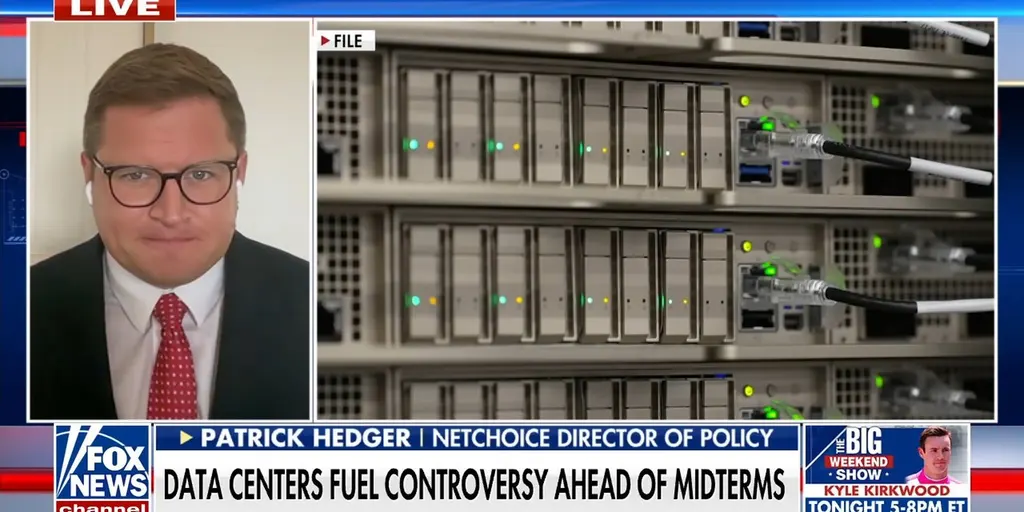
What was once a niche concern for urban planners and tech executives has suddenly become a volatile flashpoint in the lead up to the midterm elections. Across several key swing districts, the rapid expansion of massive data centers is triggering a surprising wave of bipartisan resistance, as local residents voice concerns over energy consumption and land use. This shift suggests that the digital infrastructure required to power the modern economy may be creating a political liability for candidates who previously championed unchecked industrial growth.
In Ohio, the tension has reached a boiling point where it is now directly influencing high stakes legislative battles. Senator Bernie Moreno recently issued a stark warning regarding the growing public backlash against these facilities, suggesting that voter frustration could significantly impact the outcome of the upcoming Senate race. While data centers bring promises of modernization and investment, they also strain local power grids and consume vast amounts of water, leading many constituents to view them as invasive burdens rather than economic boons.
This emerging conflict highlights a rare moment of alignment between different ends of the political spectrum, though their motivations vary. Some critics focus on environmental sustainability and resource depletion, while others frame the issue as one of corporate encroachment on rural communities. As campaigns enter their final stretch, candidates are finding that they can no longer ignore the physical footprint of the cloud, forcing them to balance national technological ambitions with the immediate demands of their voters back home.