A recent attempt to broker an oil agreement between the United States and Venezuela has managed to alienate nearly every corner of the political spectrum in Caracas. While the deal was intended to stabilize energy markets and provide a pathway for economic relief, it has instead become a lightning rod for criticism from both the ruling socialist government and the fractured opposition movement. The rare moment of consensus between these warring factions is rooted entirely in their mutual dislike of the terms presented.
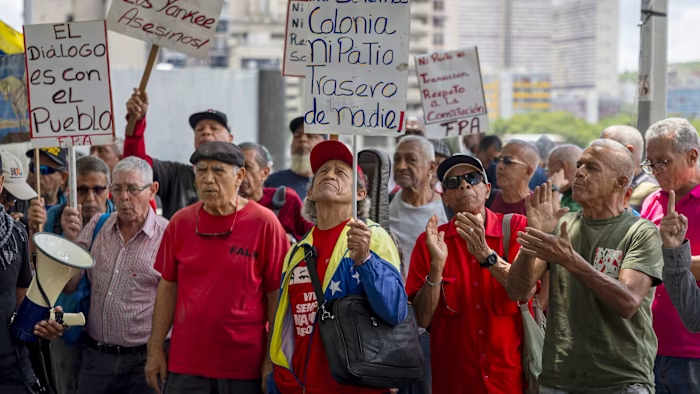
Government officials within the Maduro administration have expressed outrage over what they perceive as continued imperialist interference. They argue that the framework fails to fully lift sanctions and attempts to dictate how national resources should be managed, viewing the proposal as a Trojan horse designed to undermine sovereign control over their crude reserves. For those in power, any deal that does not start with total diplomatic recognition and an end to financial restrictions is seen as an insult rather than an opportunity.
Simultaneously, members of the Venezuelan opposition have slammed the move as a betrayal of democratic principles. Critics among the anti-government camp argue that allowing oil to flow under current conditions essentially provides a financial lifeline to an authoritarian regime without securing tangible concessions regarding human rights or fair elections. They contend that prioritizing global oil prices over domestic liberation rewards bad behavior and weakens the international pressure necessary to force genuine political change.
As both sides dig into their respective trenches, the prospect of a lasting resolution seems increasingly remote. The deadlock highlights a profound gap between Washington’s pragmatic desire for energy stability and the ideological rigidity defining Venezuelan internal politics. With neither side willing to compromise on their fundamental demands, the deal remains stalled, leaving millions of Venezuelans caught in an economic crisis while their leadership argues over who gets credit or blame for a failed negotiation.